The Art of Film Sound Mixing: Crafting the Perfect Sonic Experience
Finding the Balance in Audio Post-Production
When I first started working in audio post-production in Los Angeles, I thought I understood what film sound mixing meant. I had spent years in college studying recording techniques and had logged countless hours in front of a DAW, cutting dialog and adding reverb. But it was not until I stepped into a proper mixing console room, surrounded by a full array of studio monitor speakers, that I realized how much I had to learn. The difference between a rough mix and a polished soundtrack is not just technical skill - it is a deep understanding of storytelling through sound.
Film sound mixing is the process of blending dialog, music, and sound effects into a single cohesive track that supports the narrative. It is a craft that requires both artistic intuition and technical precision. In a city like Los Angeles, where every commercial, trailer, and screen project competes for audience attention, the quality of the mix can make or break a production. I have seen projects where the visuals were stunning, but the audio felt flat, and the entire experience suffered. That is where skilled mixers come in.
The Tools of the Trade
Modern film sound mixing relies heavily on digital audio workstations like Pro Tools, which has become the industry standard. Avid, the company behind Pro Tools, has built a platform that allows editors and mixers to work with incredible precision. But the software is only part of the equation. The hardware matters just as much. A good mixing console gives the engineer tactile control over levels and panning, which can be more intuitive than clicking a mouse. I still remember the first time I worked on a large-format console; the faders felt like extensions of my hands.
Beyond the console, the listening environment is critical. Studio monitor speakers must be accurately calibrated so that what you hear in the room translates to other playback systems. If your monitors are too boomy, you might under-compress the low end, and the final mix will sound muddy on consumer headphones. Equalization and compression are your best friends here, but they require a careful ear. Too much compression squeezes the life out of a performance; too little lets distracting peaks through. The goal is to achieve clarity without sacrificing dynamics.

Dialog, Foley, and Voiceover
One of the most challenging aspects of film sound mixing is managing dialog. The spoken word carries the story, so it must be intelligible above everything else. In a noisy scene - say, a car chase or a crowded restaurant - the mixer must balance the dialog with the ambient sounds and music. This is where tools like dynamic equalization come into play, carving out space in the frequency spectrum for the voice. I have spent entire days tweaking a single line of dialog to make it sit right.
Foley and voiceover add another layer of complexity. Foley artists create everyday sounds - footsteps, door creaks, cloth rustling - that make a scene feel real. These sounds must be synchronized perfectly with the picture and mixed at a level that supports, not overwhelms. Voiceover, often recorded in a separate session, needs to match the acoustic space of the scene. If the voiceover sounds too dry against a reverb-heavy environment, the illusion breaks. Experienced mixers know how to use reverb and delay to blend these elements seamlessly.
Sound design, meanwhile, is about creating sounds that do not exist in nature or that need to be exaggerated for effect. A sci-fi film might require a completely synthetic weapon sound, while a horror movie might need a subtle, unsettling texture beneath the dialog. Mixing sound design into the soundtrack requires a light touch. You want the audience to feel the tension without consciously noticing the sound effect. That is the magic of good film sound mixing: it works invisibly.
Immersive Audio and Dolby Atmos
In recent years, immersive audio formats like Dolby Atmos have changed the game. Instead of confining sounds to left, right, and center channels, Atmos allows mixers to place individual sounds in a three-dimensional space. A helicopter can fly overhead, or rain can fall all around the audience. This adds a new dimension to film sound mixing, but it also introduces new challenges. You have to think about where each sound lives in space and how it moves over time. It is like choreographing a dance for audio.
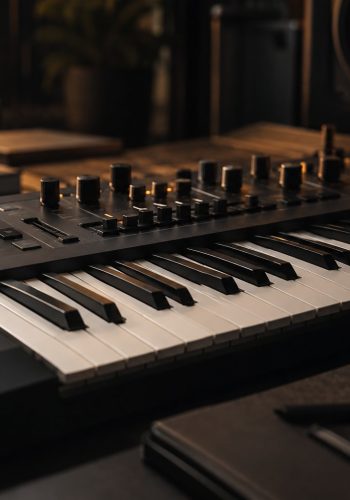
Working on a Dolby Atmos mix requires a different workflow. You need a DAW that supports object-based audio, like Pro Tools Ultimate, and a monitoring system with multiple speakers. The payoff is a more engaging experience for the viewer. I have mixed trailers in Atmos that felt alive in a way stereo mixes could not match. But immersive audio is not always the right choice. For a simple dialog-driven scene, a stereo mix might be more appropriate. Knowing when to use which format is part of the mixer's judgment.
Practical Considerations for Mixers
If you are new to film sound mixing, start by listening critically to your favorite movies. Notice how the dialog stays clear even during explosions. Pay attention to how music swells and fades. Try to identify the use of reverb to create a sense of space. Then, practice with your DAW. Pro Tools has a learning curve, but there are plenty of tutorials online. Experiment with equalization and compression on simple projects, like a dialog track with background noise.
Another tip: invest in good studio monitor speakers and treat your room acoustically. You cannot mix what you cannot hear accurately. Also, get used to working with reference tracks. Compare your mix to a professionally mixed scene from a similar genre. It will reveal flaws you might miss otherwise. And do not be afraid to collaborate. Sound design, Foley, voiceover, and mixing are all part of a team effort. A good mixer communicates with the director and the sound editor to understand the creative vision.
Common Pitfalls in the Mix
One mistake I see often is over-compression. New mixers want everything to sound loud, so they squash the dynamics. The result is a fatiguing listen. Leave some dynamic range so the quiet moments have impact. Another pitfall is neglecting the low end. A mix that lacks bass feels thin and weightless. Use a subwoofer to check your low frequencies, but do not boost them so much that they overpower the dialog.
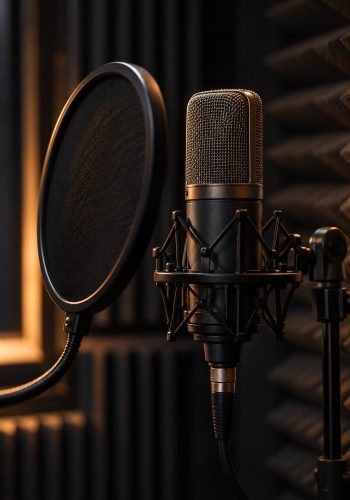
Phase issues can also ruin a mix. When you use multiple microphones to record a single source, the signals can cancel each other out if they are out of phase. This is common in Foley recording or when using multiple mics on a voiceover. Check your phase alignment early in the process. Finally, do not rely too heavily on presets. Equalization and compression settings should be tailored to the specific material. What works for one voice might sound awful on another.
Wrapping Up
Film sound mixing is both a technical discipline and an art form. It requires patience, a good ear, and a willingness to iterate. Whether you are mixing a commercial for a local brand or a trailer for a major studio release, the principles remain the same: serve the story, respect the dialog, and use sound to enhance emotion. In a world where audiences have high expectations, a well-crafted soundtrack can elevate a screen project from ordinary to unforgettable. If you are in Los Angeles and looking to break into the field, start by building your skills in audio post-production. Every great mixer started somewhere, and the journey is worth it.
Corrections
Spot something wrong? Send it to the desk and it gets fixed in the open.